



The digital economy in 2025 is driven by real-time intelligence, hyper-personalization, and AI-powered decisions. But here’s the catch most enterprises are still stuck with legacy systems and fragmented data silos. Without data modernization, digital transformation becomes just a buzzword. To truly thrive in 2025 and beyond, organizations must treat data modernization as the foundation of transformation, not just another IT upgrade.
What is Data Modernization?
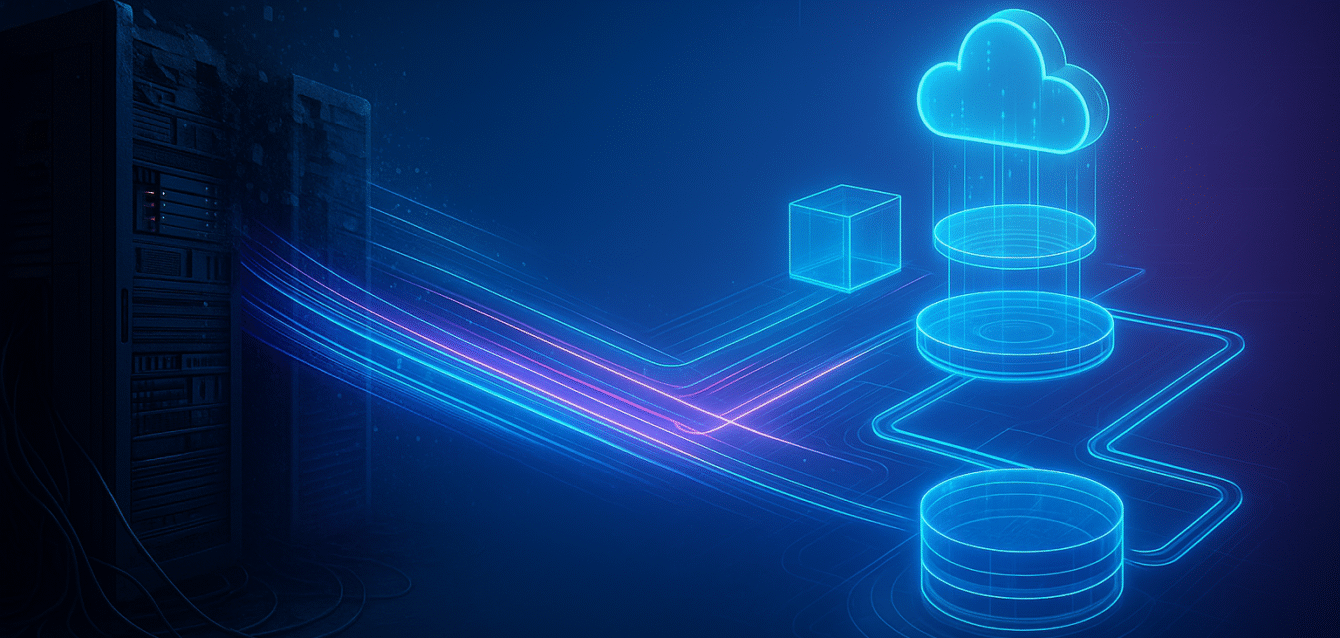
Data modernization is the process of transforming legacy data systems into scalable, cloud-ready, AI-compatible ecosystems. Unlike basic data migration, modernization ensures data is accessible, secure, compliant, and analytics-ready. It bridges the gap between old architectures and the future demands of digital transformation.
Why Data Modernization Matters for Digital Transformation in 2025
- Real-Time Decision Making – Modern architectures empower businesses to act instantly on live data.
- AI & Advanced Analytics – Quality, structured data fuels machine learning models and GenAI applications.
- Scalable Cloud Infrastructure – Elastic compute power aligns with fluctuating business needs.
- Security & Compliance – As global data regulations tighten in 2025, modernization ensures adherence without slowing down innovation.
Challenges with Legacy Data Systems
Enterprises relying on outdated systems face:
- Rising maintenance costs with declining ROI
- Data silos blocking collaboration and analytics
- Inability to integrate with AI, ML, IoT, or cloud platforms
- Security vulnerabilities in outdated architectures
Key Benefits of Data Modernization in 2025
- Agility: Faster innovation cycles and reduced time-to-market
- AI Enablement: Trusted, high-quality data to fuel predictive insights
- Cost Optimization: Cloud adoption reduces CAPEX and boosts scalability
- Customer Experience: 360° customer view enables personalized journeys
How Enterprises Can Approach Data Modernization
- Cloud Migration: Hybrid and multi-cloud strategies for flexibility
- Data Governance: Policies ensuring security, privacy, and compliance
- AI-Powered Integration: Automation tools for data cleansing and enrichment
- APIs & Microservices: For seamless interoperability between systems
Industry Use Cases in 2025
- Banking: AI-based fraud detection and hyper-personalized financial products
- Healthcare: Predictive analytics for early diagnosis & patient engagement
- Retail: Real-time inventory optimization and customer insights
- Manufacturing: IoT-driven predictive maintenance reducing downtime
Future of Data Modernization Beyond 2025
- Data Fabric & Data Mesh: Democratizing data access across enterprises
- Autonomous Data Management: AI-led self-healing, self-optimizing data systems
- Generative AI Integration: Using enterprise-grade GenAI models to unlock new value from structured and unstructured data
Conclusion – Building a Future-Ready Enterprise
Digital transformation in 2025 is built on a foundation of modern, agile, and governed data. As Atlan’s post underscores, organizations that modernize their data infrastructure gain a host of benefits—from better decision-making to enhanced efficiency and scalability
At immersivedata.ai, we help enterprises modernize their data infrastructure through cloud migration, governance frameworks, and AI-driven integration strategies. Whether you’re overcoming legacy system challenges or preparing for a GenAI-enabled future, our team ensures your data becomes a growth enabler not a bottleneck.